

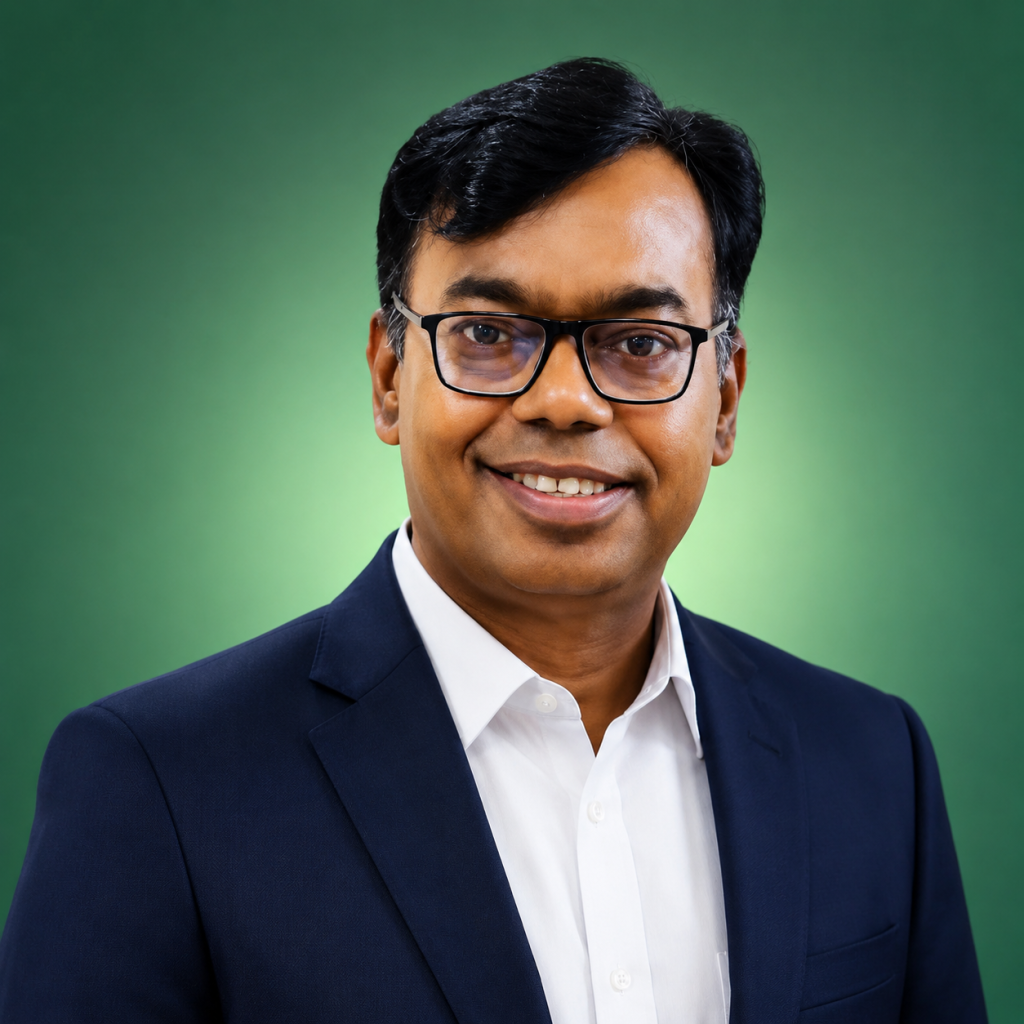
Mohammad Kamruzzaman Kalam
Education Specialist & Advisor
Mohammad Kamruzzaman Kalam
Education Specialist & Advisor
Mr. Kamruzzaman is a distinguished education development professional with over 24 years of transformative experience in designing, managing, and leading high-impact education programs across Bangladesh’s government and international development sectors. Currently serving as the Education Advisor for USAID’s Promoting Education for Early Learners Project (Sisimpur Project) at Sesame Workshop Bangladesh, he provides strategic leadership to advance inclusive, equitable learning environments for marginalized children, including girls and children with disabilities. His expertise spans early childhood education, literacy and numeracy reforms, inclusive education, and emergency education interventions. Equipped with an MPhil in Education from the University of Dhaka, Kalam has consistently aligned his work with national policies, donor priorities, and global best practices, driving measurable improvements in learning outcomes and systemic capacity.
Throughout his career, Kalam has spearheaded landmark initiatives such as the Math Olympiad Sub-component Activity under Bangladesh’s Fourth Primary Education Development Program (PEDP4), where he enhanced numeracy skills for 200,000 teachers and learners nationwide. His leadership in projects like Save the Children’s Reaching Out-of-School Children (ROSC II) program and Plan International’s Model for Inclusive Education demonstrates his ability to scale innovative solutions—from urban slum education to disability-inclusive pedagogies. Notably, he has collaborated with major stakeholders, including the Ministry of Primary and Mass Education, JICA, UNICEF, and the World Bank, fostering multi-sectoral partnerships to bridge policy and practice. His technical contributions to curriculum design, teacher training, and competency-based assessments have been instrumental in shaping Bangladesh’s education frameworks.
Kalam’s academic rigor is reflected in his extensive research and publications, including his MPhil dissertation on early childhood education and critical evaluations of national curricula. A seasoned advocate for equity, he has presented at international forums such as the 4th International Conference on Language and Education in Bangkok and the International Conference on Inclusive Education. His memberships in global networks like INEE, ARNEC, and the Bangladesh Mathematical Olympiad Committee underscore his commitment to collaborative innovation. Combining grassroots insights with strategic vision, Kalam remains dedicated to advancing inclusive, quality education for all learners, making him a vital collaborator for initiatives like ART Lab that prioritize transformative educational impact.
- Phone: +8801764164232
- Email: kamruzzamankalam@gmail.com
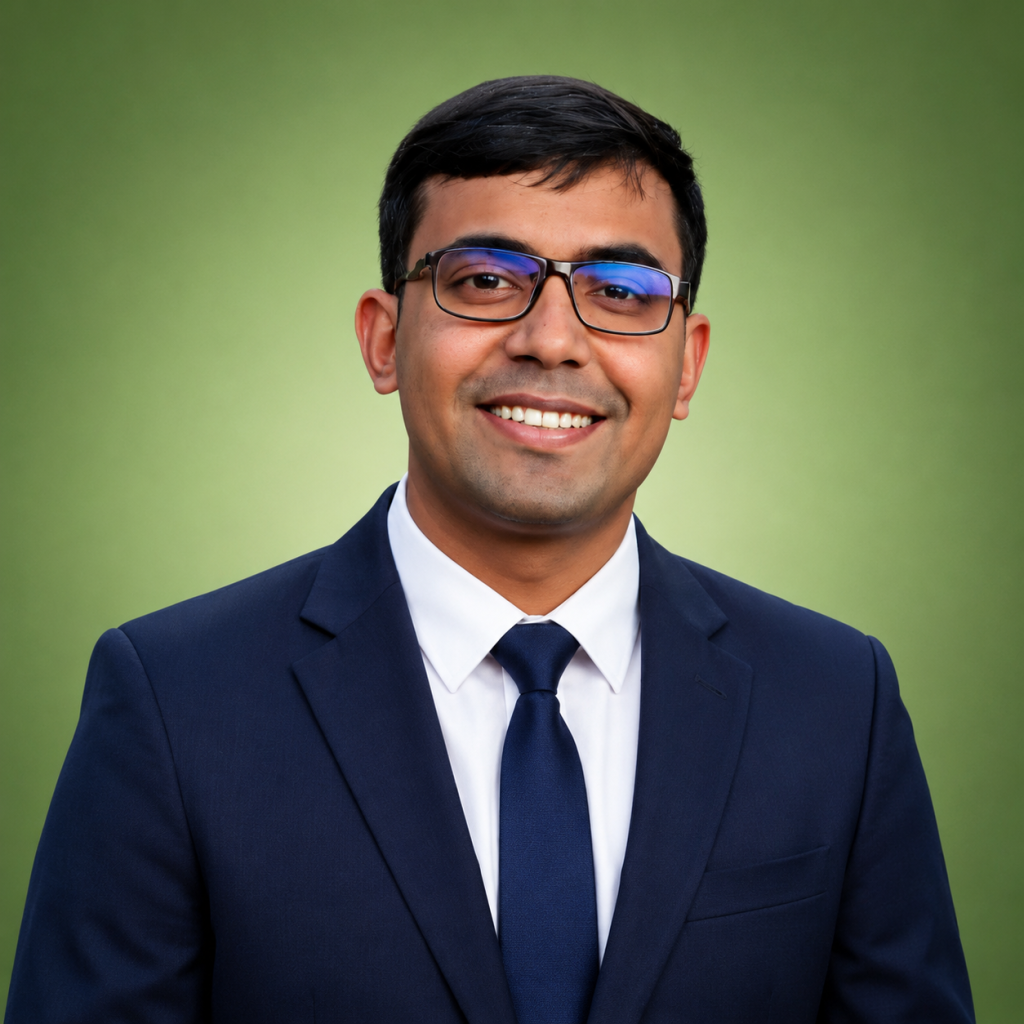
Abu Yousuf Shazid
Research Assistant, icddr,b
Abu Yousuf Shazid
Research Assistant, icddr,b
Abu Yousuf Shazid is a dynamic social science researcher and anthropologist whose work bridges academic rigor and grassroots impact, particularly in marginalized and crisis-affected communities. Holding a Master’s in Anthropology from the University of Rajshahi, where he ranked 2nd in his cohort with a CGPA of 3.69, Shazid has cultivated a deep expertise in mixed-method research, qualitative analysis, and interdisciplinary collaboration. His career spans roles with leading organizations such as the German Red Cross, BRAC University’s James P. Grant School of Public Health, and the International Centre for Diarrhoeal Disease Research, Bangladesh (icddr,b), where he currently contributes to studies on menstrual health and post-abortion care among Rohingya refugees. Focused on themes like mental health, gender equity, migration, and sustainable livelihoods, Shazid’s research is driven by a commitment to amplifying underrepresented voices and informing inclusive policy solutions.
Specializing in complex humanitarian contexts, Shazid has led or contributed to over 20 projects across Bangladesh, including Cox’s Bazar’s Rohingya refugee camps and host communities. His portfolio includes groundbreaking work such as UNESCO’s rapid assessment of Rohingya cultural traditions, USAID-funded evaluations of youth empowerment programs, and GIZ-led capacity-building initiatives for local governance. Proficient in tools like Atlas.ti and SPSS, he excels in designing culturally sensitive methodologies—from ethnographic interviews to participatory action research—that uncover nuanced insights into issues like gender-based violence, climate adaptation, and social cohesion. Notably, his fieldwork for projects like the Child-Centered Climate Change Adaptation initiative and the Gender and GBV Assessment in Cox’s Bazar highlights his ability to navigate logistical challenges while maintaining ethical rigor and community trust.
Shazid’s collaborative ethos and multilingual fluency—in English, Bangla, and the Chittagonian dialect spoken by Rohingya communities—make him a vital bridge between academia, NGOs, and vulnerable populations. His participation in international conferences, such as the 6th International Conference on Climate Change and Small Ethnic Communities, reflects his dedication to knowledge-sharing and interdisciplinary dialogue. Whether analyzing food insecurity for FAO or exploring adolescent perceptions of gender equality for Plan International, Shazid consistently leverages his anthropological lens to drive actionable, equity-focused outcomes. For ART Lab, his expertise in cross-cultural research, conflict-sensitive frameworks, and stakeholder engagement offers invaluable synergy for projects seeking to merge academic depth with real-world applicability in global health, migration, and social justice.
- Phone: +8801705279254
- Email: abuyousufshazid@gmail.com