

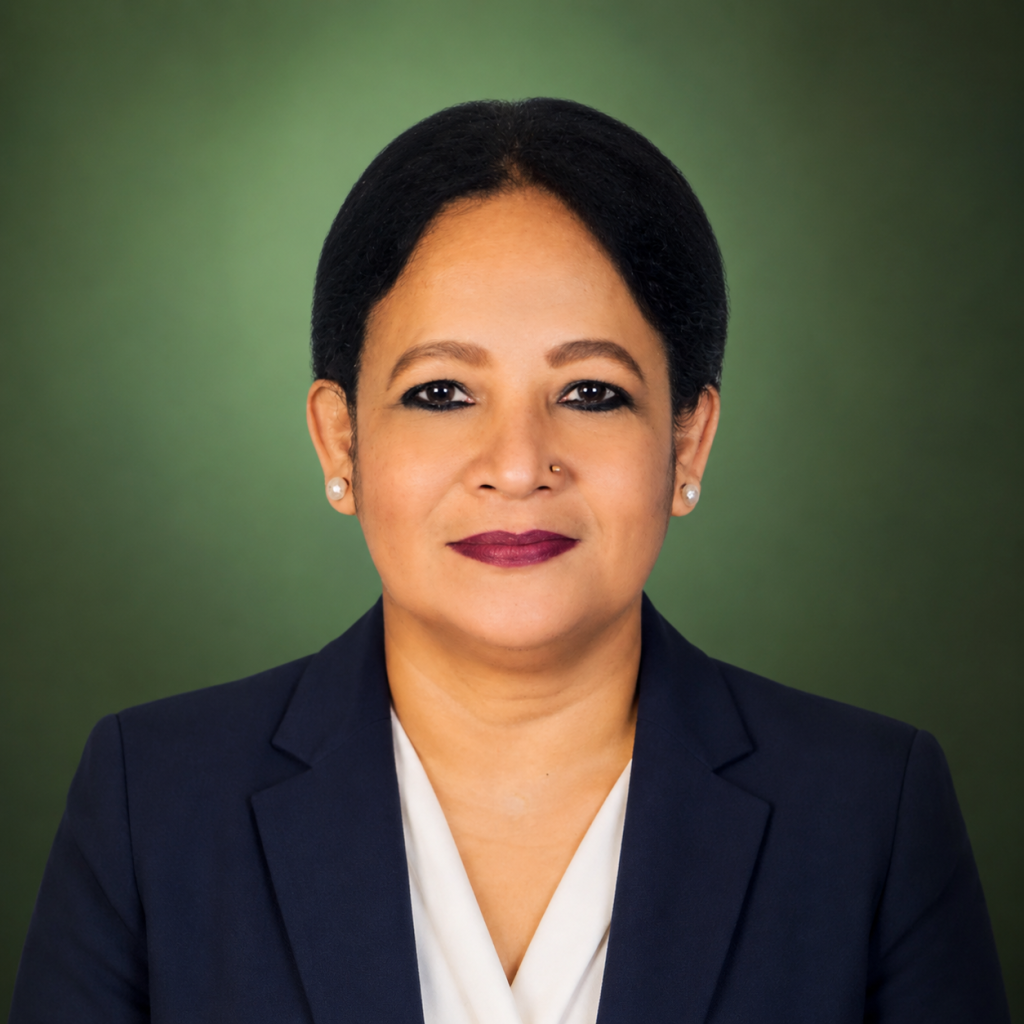
Shamima Akther Chowdhury
Gender Expert and SRHR Consultant
Shamima Akther Chowdhury
Gender Expert and SRHR ConsultantShe is a seasoned development professional with over 15 years of experience in the fields of gender, sexual and reproductive health and rights (SRHR), and adolescent health. Throughout her career, she has collaborated with both national and international NGOs, taking on roles such as Project Manager, Consultant, and Technical Specialist. Her expertise spans gender analysis, gender action planning, gender-responsive project design, and gender-based violence (GBV) prevention. She has played a pivotal role in strengthening adolescent-friendly health services in urban Dhaka and has worked extensively with organizations like UNICEF, Plan Bangladesh, Ipas Bangladesh, Max Foundation, and Christian Aid to implement SRHR and nutrition-focused initiatives in both urban and rural settings. With a strong foundation in program coordination, health system strengthening, and capacity building, she has contributed to advancing gender equality and adolescent well-being across diverse communities.
Beyond her technical expertise, Shamima is a highly skilled trainer and facilitator, delivering training-of-trainers (ToT) sessions for government and non-government stakeholders on SRHR, GBV, and gender-responsive health services. She has conducted specialized training for institutions such as the Directorate General of Health Services (DGHS), the Directorate General of Family Planning (DGFP), and the Ministry of Women and Children Affairs (MoWCA), equipping service providers and policymakers with the tools to implement gender-transformative approaches. Her ability to develop training modules, behavior change communication (BCC) materials, and strategic advocacy campaigns has positioned her as a thought leader in gender-sensitive program design. She has also contributed to various national research efforts, including studies on gender norms and adolescent health interventions.
As an independent consultant, Shamima has led numerous high-impact projects, including the development of gender transformation and safeguarding modules, organizational capacity assessments, and policy advocacy initiatives. She has worked with organizations such as the Manusher Jonno Foundation, MDF Training and Consultancy, and the Institute of Social Business to build the capacity of youth-led organizations, local governments, and women’s rights groups. Her extensive experience in proposal writing, project management, and strategic development ensures that she remains at the forefront of advancing gender equity and SRHR in Bangladesh. Through her work, Shamima continues to shape policies, strengthen institutional frameworks, and drive impactful social change.
- Phone: +8801715167469
- Email: chowdhury_shamima@yahoo.com
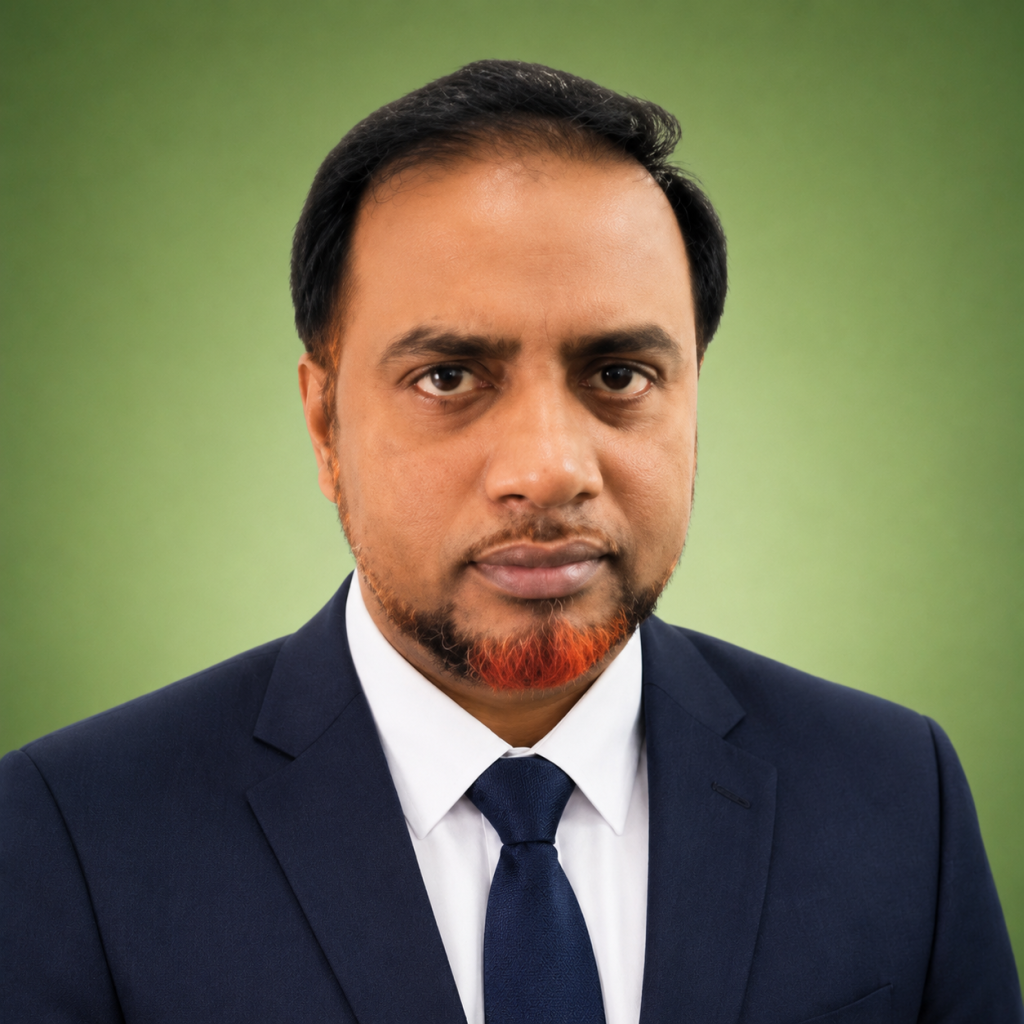
Prof. Dr. Md. Yeamin Hossain
Fisheries Biology, Aquatic Resource Management, and Sustainable Aquaculture
Prof. Dr. Md. Yeamin Hossain
Fisheries Biology, Aquatic Resource Management, and Sustainable AquacultureProf. Dr. Md. Yeamin Hossain is a distinguished academic and researcher in the field of Fisheries Science, currently serving as a Professor in the Department of Fisheries at the University of Rajshahi, Bangladesh. With a career spanning over two decades, Dr. Hossain has made significant contributions to the understanding and management of aquatic resources, particularly focusing on the biology and conservation of fish species in Bangladesh and beyond. His academic journey began with a Bachelor of Science in Fisheries from Bangladesh Agricultural University, followed by advanced degrees, including a Ph.D. from Kagoshima University, Japan, where he specialized in fisheries biology and stock assessment.
Dr. Hossain's research interests are diverse, encompassing ecosystem-based sustainable management, fisheries biology, and the impacts of climate change on aquatic ecosystems. He has been instrumental in developing innovative approaches to enhance fish production while ensuring the conservation of endangered species. His work has led to the publication of over 250 scientific papers in reputable international journals, earning him recognition as one of the top scientists in fisheries globally. His research not only contributes to academic knowledge but also informs policy-making and sustainable practices in fisheries management.
In addition to his research, Dr. Hossain is actively involved in teaching and mentoring the next generation of fisheries scientists. He has supervised numerous Ph.D. and Master's students, guiding them in their research endeavors and fostering a collaborative environment for scientific inquiry. His commitment to education and research excellence has made him a respected figure in the academic community, and he continues to collaborate with researchers from various countries, contributing to global efforts in sustainable fisheries and aquaculture. Dr. Hossain's expertise and dedication to the field make him a valuable collaborator in the ART Lab, where he aims to further advance research and innovation in aquatic resource management.
- Phone: +8801751566077
- Email: yeamin.fish@ru.ac.bd
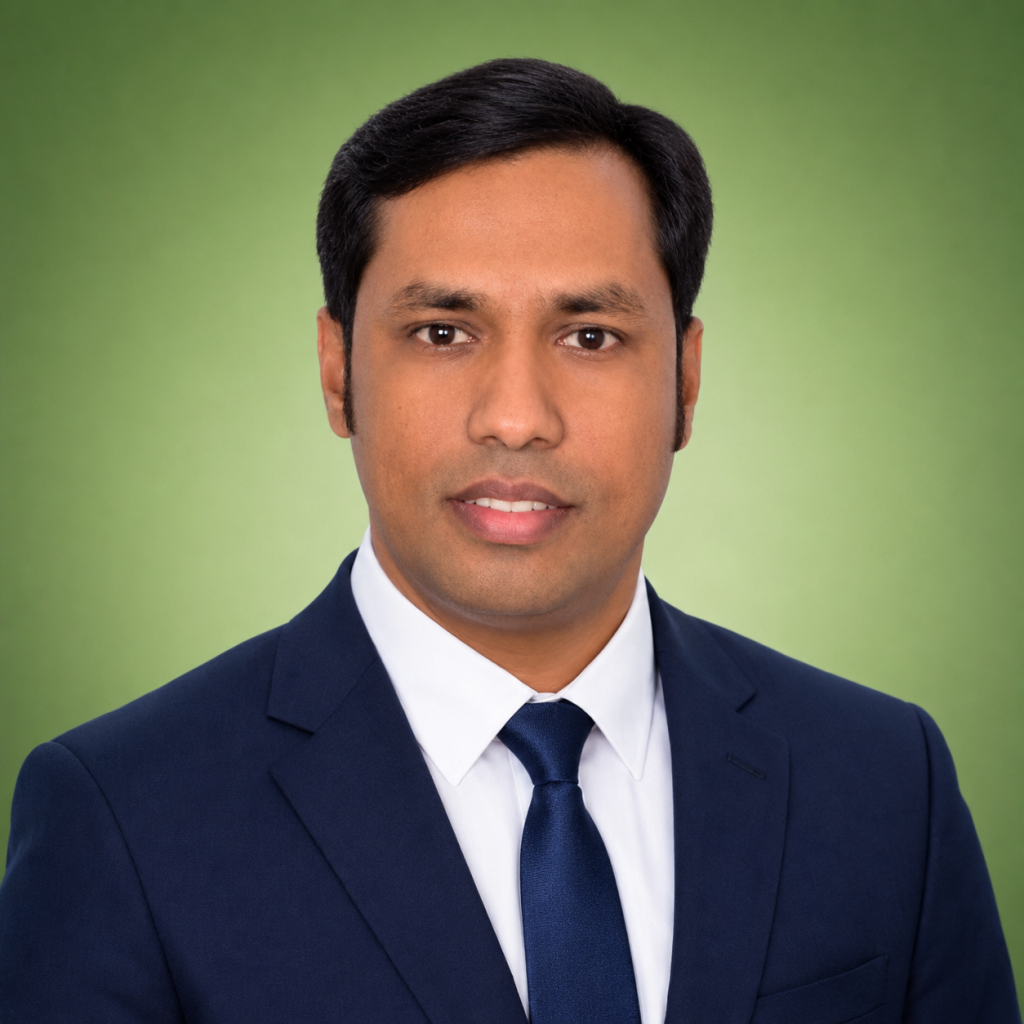
Prof. Dr. Md. Tariqul Islam
Fisheries Technology and Food Safety Expert
Prof. Dr. Md. Tariqul Islam
Fisheries Technology and Food Safety ExpertProf. Dr. Md. Tariqul Islam is a prominent figure in the field of Fisheries Technology, currently serving as a Professor in the Department of Fisheries at the University of Rajshahi, Bangladesh. With a Ph.D. in Food Microbiology from Kyushu University, Japan, Dr. Islam has dedicated his career to advancing research in fish processing, value-added product development, and food safety. His extensive academic background is complemented by a European Masters in Food Science, Technology, and Nutrition, which has equipped him with a comprehensive understanding of the complexities of food systems.
Dr. Islam's research interests are diverse, focusing on innovative approaches to enhance the quality and shelf life of fish products through techniques such as modified atmosphere packaging and biofilm inhibition. He has successfully led multiple funded research projects, contributing significantly to the development of sustainable practices in the fisheries sector. His work has resulted in numerous publications in reputable journals, establishing him as a leading expert in his field.
In addition to his research, Dr. Islam is committed to education and mentorship, guiding students and young researchers in their academic pursuits. He actively participates in national and international conferences, sharing his findings and collaborating with peers to address global challenges in fisheries and aquaculture. Prof. Dr. Md. Tariqul Islam's expertise and dedication to advancing the field make him a valuable asset to the ART Lab and the broader scientific community.
- Phone: +880171269725
- Email: tariqul.fish@ru.ac.bd
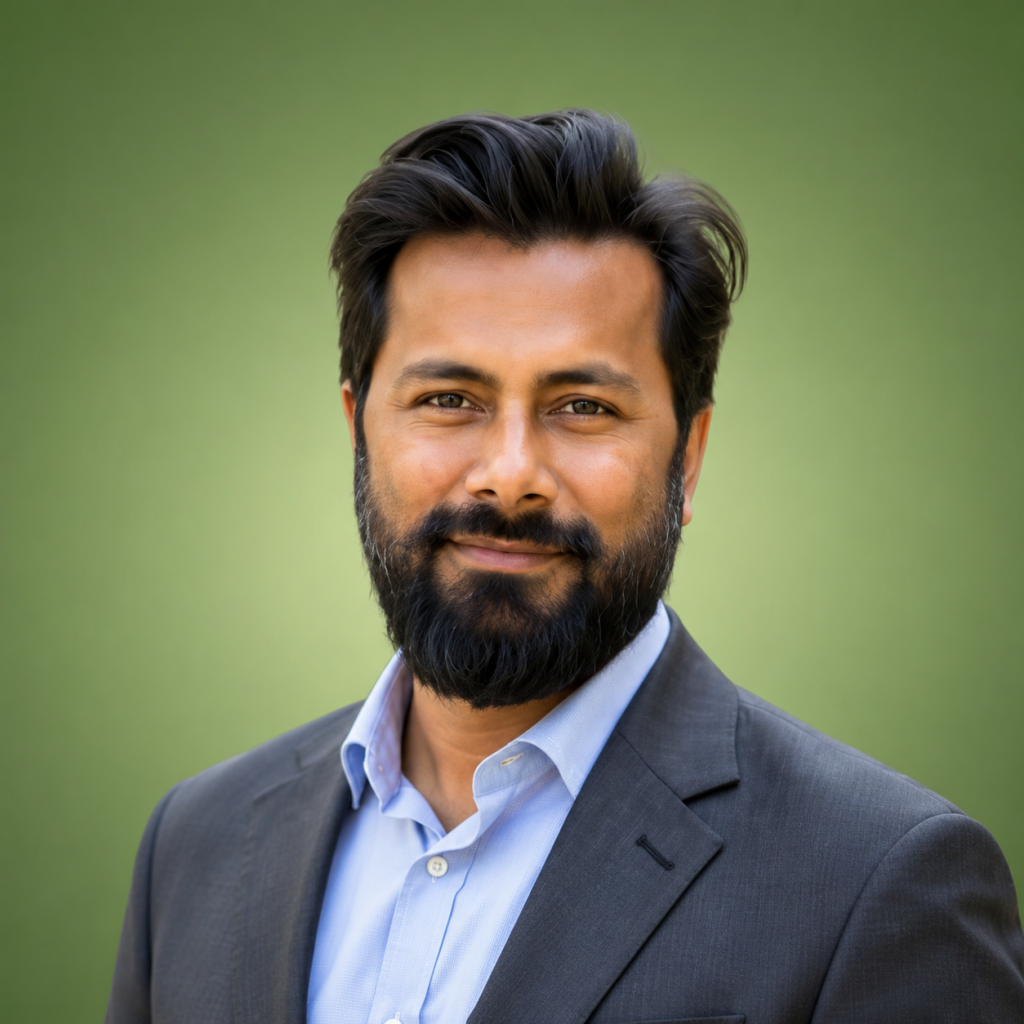
Mohammad Imran Uddin
Monitoring and Evaluation Specialist
Mohammad Imran Uddin
Monitoring and Evaluation SpecialistWith over a decade of experience as a seasoned Monitoring and Evaluation Specialist, Mohammad Imran Uddin is dedicated to designing and implementing programs that drive sustainable change across national and international development sectors. His expertise spans a diverse range of areas, including Technical and Vocational Education and Training (TVET), Child Protection, Education in Emergencies, Disaster Risk Reduction (DRR), and Livelihood Development. Throughout his career, he has successfully led and collaborated on impactful initiatives with esteemed organizations such as the International Labour Organization (ILO), Swisscontact, UN Capital Development Fund, ActionAid, German Red Cross, and Christian Aid.
Imran's core competencies include crafting and executing robust Monitoring, Evaluation, and Learning (MEL) systems, managing donor-funded programs, and utilizing results-based management (RBM) tools to achieve key outcomes. He conducts comprehensive impact assessments and provides evidence-based insights to inform strategic decision-making. Additionally, he analyzes both qualitative and quantitative data using advanced tools like Power BI, SPSS, NVivo, and KoboToolbox, ensuring that his findings are both actionable and relevant.
In addition to his M&E expertise, Imran possesses strong capabilities in Data Science, allowing him to employ Python-based algorithms for advanced data analysis and create dynamic, interactive dashboards using Power BI and Tableau. As a proud member of the Canadian Evaluation Society (CES), he is committed to advancing his professional development and contributing to the evaluation field in Canada. Currently based in Ottawa, Imran is passionate about initiatives that address social and economic inequalities through data-informed, evidence-driven solutions, and he welcomes opportunities to connect with fellow professionals and organizations dedicated to making a tangible impact in the development and humanitarian sectors.
- Phone: +1 (437) 421-5652
- Email: i_uddin@live.com
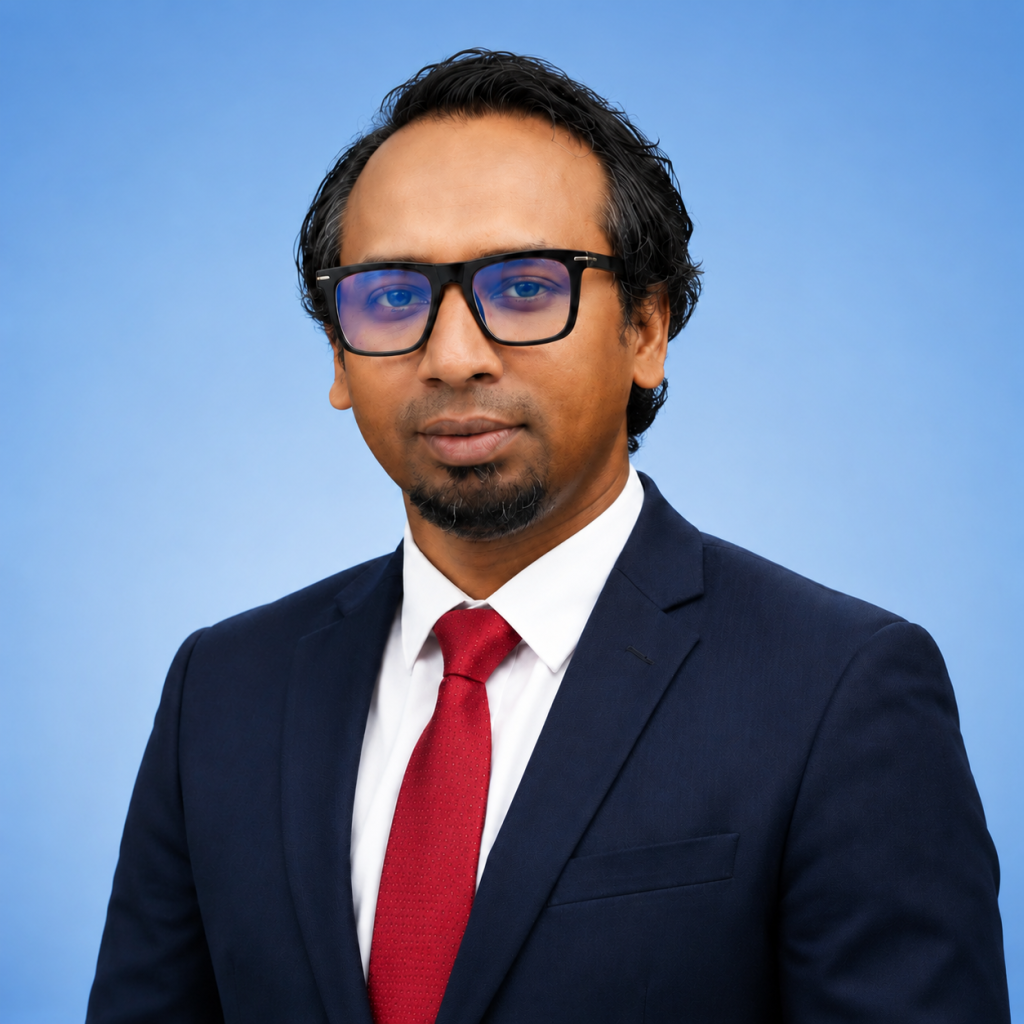
Md Khairuzzaman
Social Research Expert
Md Khairuzzaman
Social Research ExpertMd Khairuzzaman is a dedicated researcher and development professional with expertise in data analysis, research writing, and project management. With a strong academic background, including a Master’s in Modern Indian Studies from the University of Göttingen and a Professional Master’s in Development Studies from Jagannath University, he brings a multidisciplinary approach to understanding social and economic issues. His research experience spans various topics, including governance, labor rights, education, and gender studies.
Khairuzzaman has worked with renowned organizations such as UNICEF, Save the Children, and Oxfam, where he contributed to qualitative and quantitative research projects. His skills in data management, evaluation, and statistical analysis using tools like SPSS, Microsoft Office, and social media analytics make him a valuable asset in both fieldwork and academic research. Additionally, his leadership roles, including serving as Vice President of the ASAUB Sociology Club and Under Secretary General of the ASAUB Model United Nations Conference, demonstrate his ability to manage teams and organize impactful initiatives.
Passionate about social change, Khairuzzaman actively engages in projects that promote skill development, civic participation, and economic empowerment. His experience in training, seminar organization, and community outreach highlights his commitment to fostering positive societal impact. As an adaptable and detail-oriented professional, he thrives in dynamic environments, ensuring high-quality research and strategic planning for sustainable development.
- Phone: +491631241293
- Email: shuvo2585@gmail.com
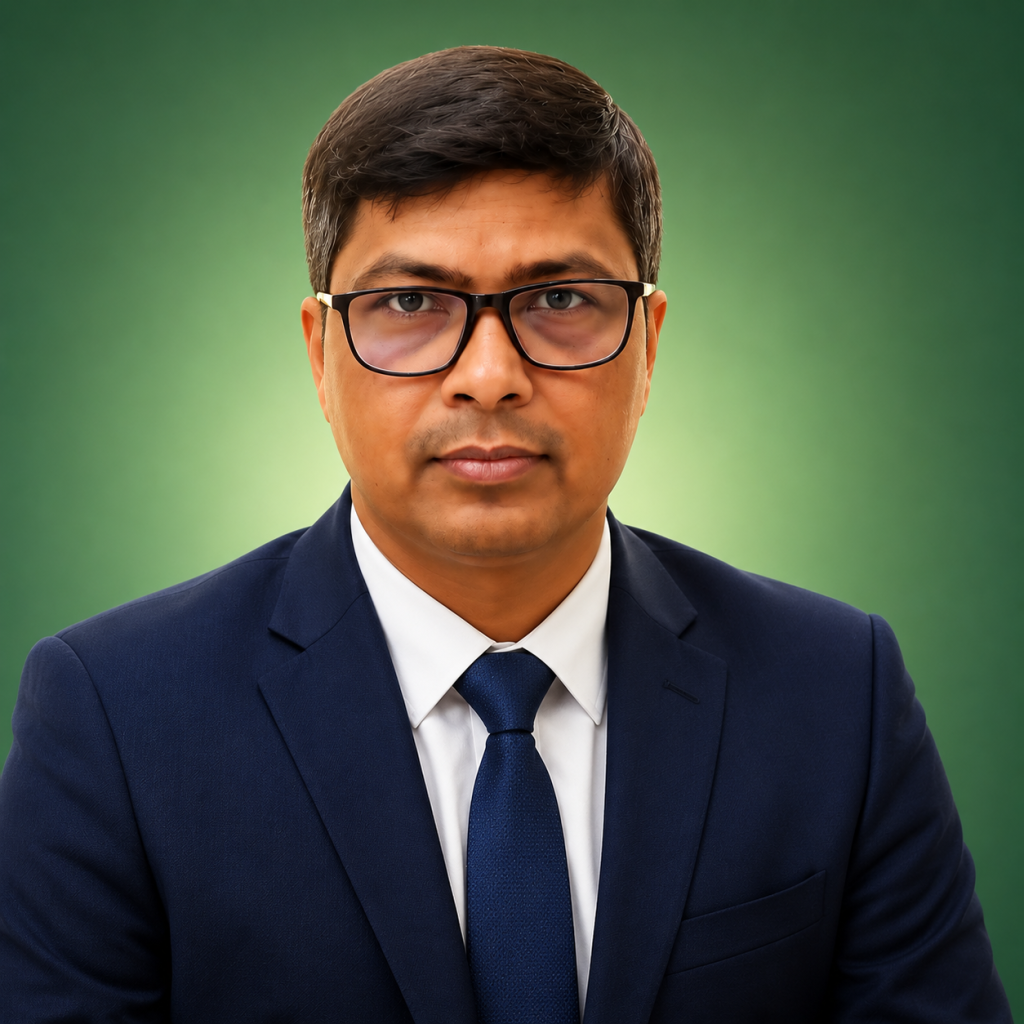
Md. Abdullah Al Mamun
Research Consultant & Development Specialist
Md. Abdullah Al Mamun
Research Consultant & Development SpecialistMd. Abdullah Al Mamun is an accomplished development professional with over 15 years of experience in research, consultancy, and project management. Throughout his career, he has played a pivotal role in designing and implementing development projects across various sectors, including agriculture, ICT, entrepreneurship development, water, sanitation, and hygiene (WATSAN), climate change, social safety nets, and market system development. His extensive expertise spans baseline studies, mid-term evaluations, end-line assessments, impact assessments, and socio-economic research, where he has collaborated with leading national and international NGOs, government agencies, private sector entities, and donor organizations. His work has significantly contributed to policy recommendations, program improvements, and the overall effectiveness of various social and economic development initiatives.
Md. Mamun has a strong background in ICT-based data collection, survey methodologies, and research implementation, making him a valuable asset in designing evidence-based interventions. He has led and trained research teams, developed data collection tools, conducted statistical analyses, and formulated strategic plans to strengthen project effectiveness. His expertise also extends to working with SMS platforms and digital data collection systems, ensuring high-quality research outputs for diverse stakeholders, including donors, non-profits, and private sector organizations. Over the years, he has been involved in key projects that address critical development challenges, such as child labor, social protection, climate change adaptation, and economic inclusion. His ability to bridge the gap between grassroots realities and policy-level advocacy has been instrumental in shaping inclusive and sustainable development strategies.
In addition to his technical expertise, Md. Mamun has vast experience in training facilitation, stakeholder engagement, and community mobilization. He has successfully designed and facilitated training programs on a range of topics, including market system development, value chain enhancement, livelihood improvement, disaster resilience, and gender equality. His role in empowering local communities, fostering entrepreneurship, and enhancing the capacity of marginalized populations has been widely recognized. He has also contributed to the establishment of producer groups, helped identify market linkages, and supported small enterprises in developing business plans and securing access to resources. His advocacy efforts have led to improved policy frameworks and increased support for micro, small, and medium enterprises (MSMEs), particularly in rural and underserved communities.
Currently, Md. Mamun is the Chief Executive Officer (CEO) & Founder of United Social Business.bd, where he continues to work closely with national and international organizations to provide high-quality research, consultancy, and development services. Under his leadership, United Social Business.bd has positioned itself as a trusted partner for research-driven solutions, strategic planning, and program evaluations. His vision is to foster inclusive economic growth, strengthen community-based enterprises, and leverage technology-driven solutions to address pressing social and environmental challenges. With his extensive knowledge and practical experience, he remains committed to driving impactful change and promoting sustainable development at both the local and national levels.
- Phone: +8801716100750
- Email: mamunjahan77@gmail.com
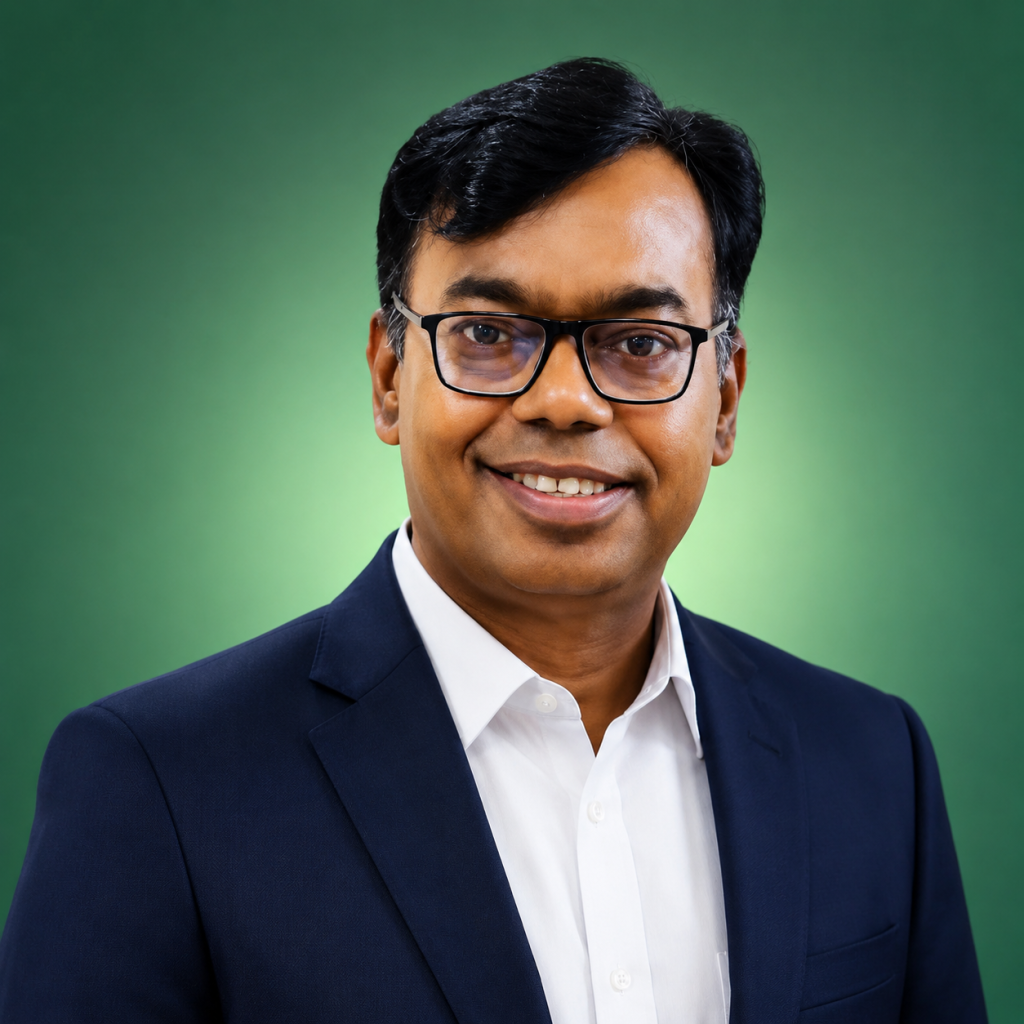
Mohammad Kamruzzaman Kalam
Education Specialist & Advisor
Mohammad Kamruzzaman Kalam
Education Specialist & Advisor- Phone: +8801764164232
- Email: kamruzzamankalam@gmail.com
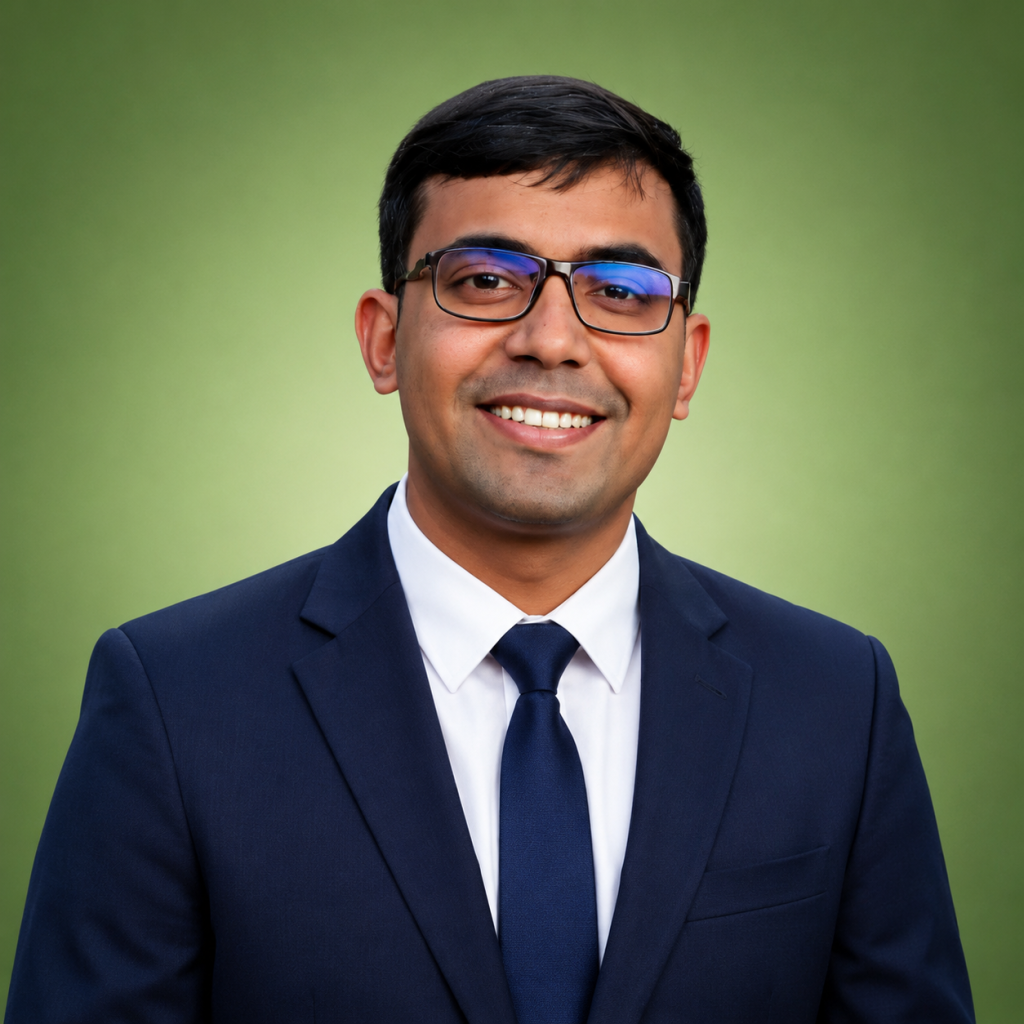
Abu Yousuf Shazid
Research Assistant, icddr,b
Abu Yousuf Shazid
Research Assistant, icddr,b- Phone: +8801705279254
- Email: abuyousufshazid@gmail.com
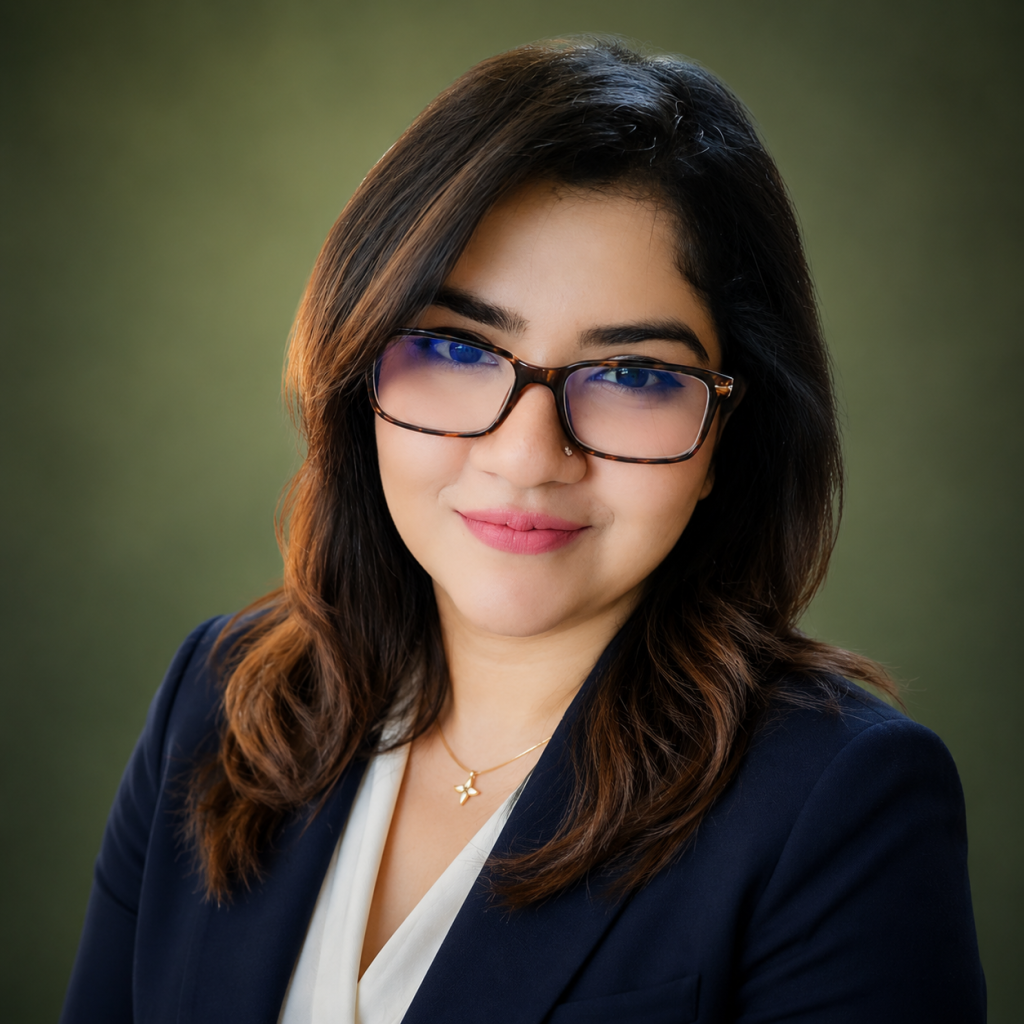
Zakia Anzum Hridi
Financial Analyst
Zakia Anzum Hridi
Financial Analyst- Email: zakiaanzum@gmail.com
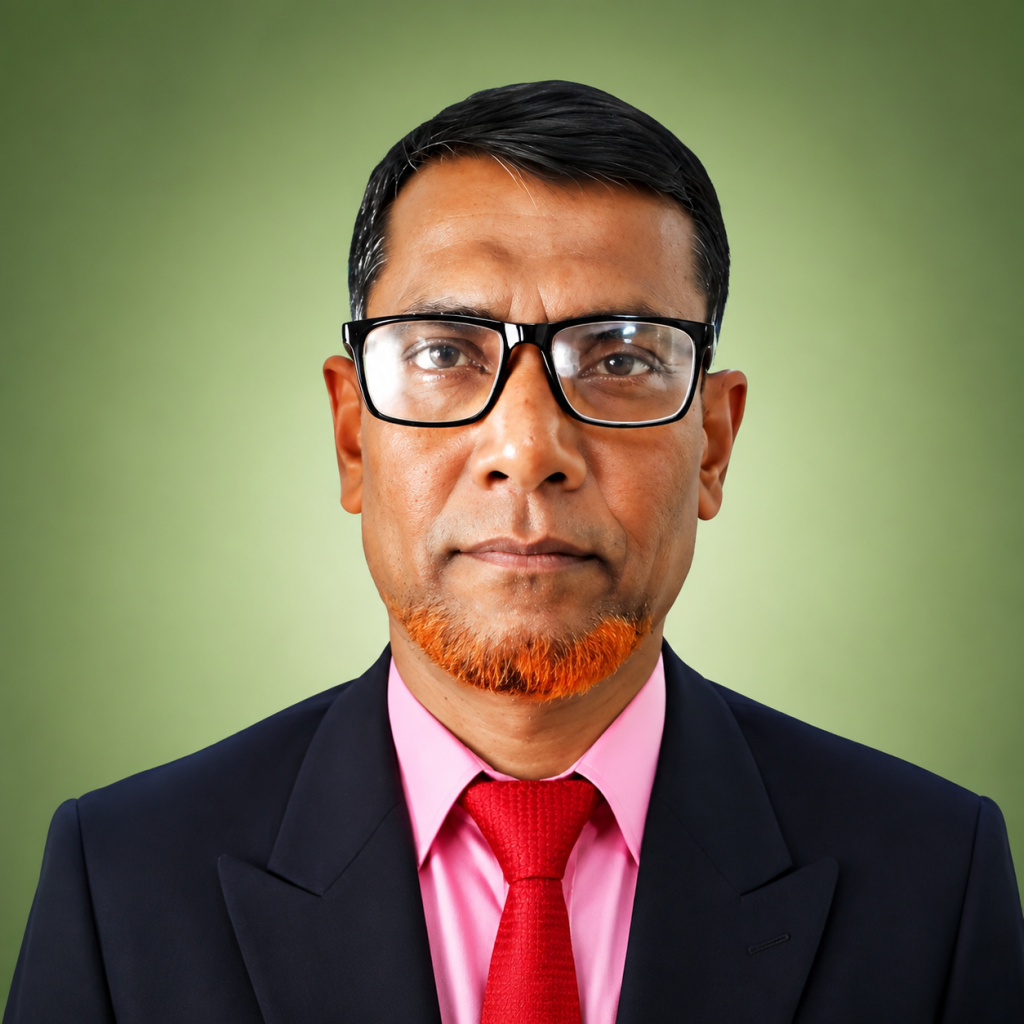
Md. Abdul Halim
Admin, HR & Development Strategist
Md. Abdul Halim
Admin, HR & Development Strategist- Phone: +8801321145853
- Email: mdhalimboria@gmail.com
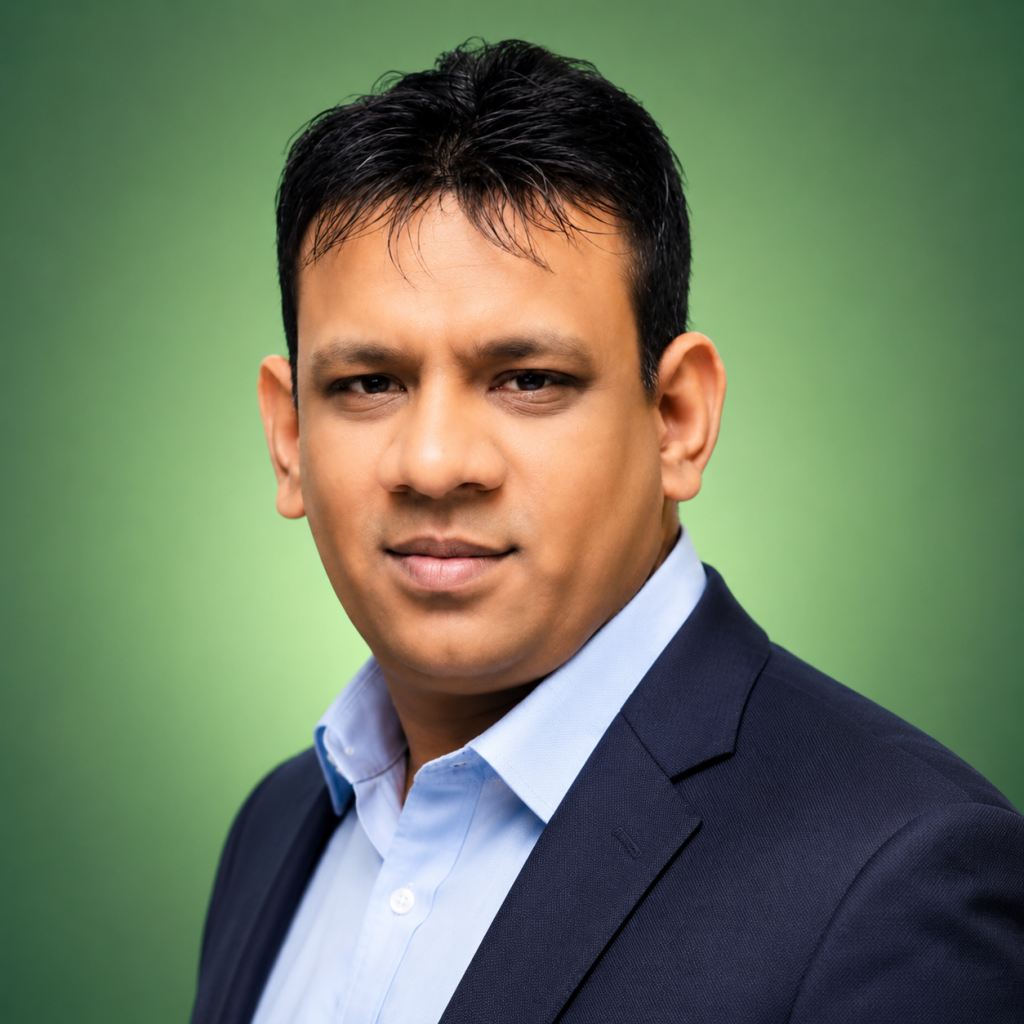
Dr. Sheikh Abdul Kader
Academician and Researcher
Dr. Sheikh Abdul Kader
Academician and ResearcherDr. Sheikh Abdul Kader is a dynamic researcher and academician with a focus on bridging economic theory with real-world policy challenges. His career spans over a decade, during which he has contributed to critical studies on climate resilience, poverty alleviation, and sustainable development in Bangladesh and South Asia. Dr. Kader holds advanced degrees in Economics and has collaborated with institutions such as the Bangladesh Economic Association, where he actively participates in policy dialogues and advocacy for evidence-based economic reforms.
As a prolific scholar, Dr. Kader has authored numerous peer-reviewed articles, book chapters, and policy briefs published in platforms like ResearchGate and Google Scholar. His research explores the intersection of economic development and environmental sustainability, with recent projects examining the socio-economic impacts of climate change on vulnerable communities. He has also presented findings at international conferences, fostering cross-border collaborations to address regional and global challenges.
Dr. Kader’s expertise extends to data-driven policy design, where he employs advanced quantitative methods to evaluate the effectiveness of development programs. His work on industrial pollution, agricultural productivity, and disaster risk reduction has informed national policies and garnered support from organizations such as the World Bank and UNDP. Additionally, he mentors young researchers and serves as a reviewer for academic journals, reinforcing his commitment to advancing knowledge ecosystems.
As a collaborator with ART Lab, Dr. Kader contributes strategic insights into economic resilience, climate adaptation frameworks, and sustainable policy innovation. His interdisciplinary approach and dedication to actionable research align with ART Lab’s vision of driving transformative solutions for a sustainable future.
- Phone: +90 551 687 96 59
- Email: kafiaub@gmail.com
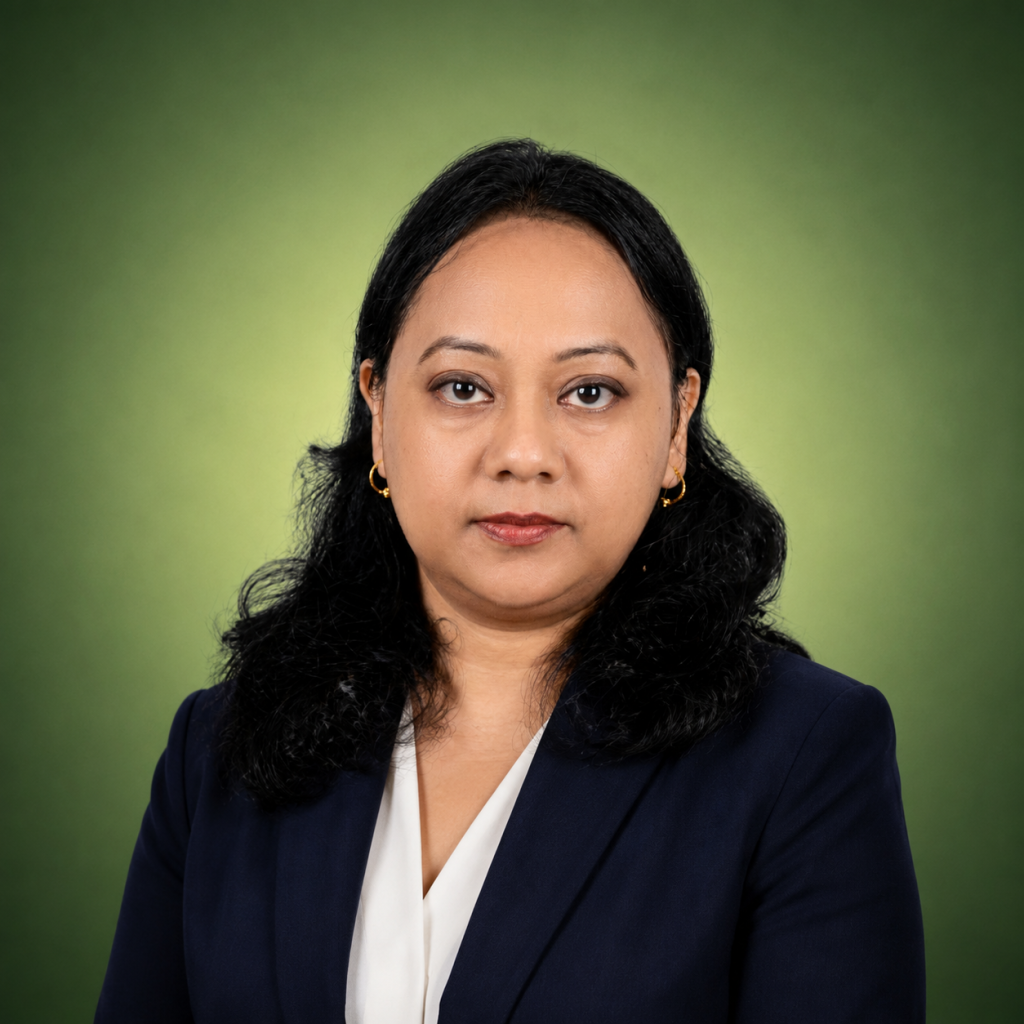
Rumana Ali
Gender & GESI Expert
Rumana Ali
Gender & GESI ExpertRumana Ali has built a distinguished career in gender, human rights, and development research through long-term engagement with leading research and development institutions. She served as Senior Research Associate at the Research and Evaluation Division of BRAC, where she contributed to research design, data collection, field supervision, data analysis, report writing, publication support, and stakeholder presentation. During her tenure at BRAC, she also served as Gender Focal Point, supporting gender-inclusive workplace practices and contributing to institutional gender equality goals. She later worked as Senior Research Associate at the Brac Institute of Governance and Development, Brac University, where she contributed to formative and evaluation research, programme reviews, knowledge-sharing activities, seminars, workshops, and capacity development of junior researchers in qualitative research and gender analysis. Her experience in both institutional research and field-based evaluation has strengthened her ability to connect evidence with practical program improvement.
As a consultant, Rumana has worked on several gender-focused assignments across education, livelihood, WASH, disaster preparedness, women’s leadership, domestic workers’ rights, civil society engagement, and policy analysis. Her assignments include gender-focused impact evaluation of the Reaching Out of School Children Project, midterm evaluation of a plastic-waste value creation project, Oxfam-supported baseline assessment on community preparedness and recovery, women’s transformative leadership impact study among Rohingya and host communities, and technical gender research on sextortion in the WASH sector. Rumana has also contributed to gender-responsive monitoring and evaluation training supported by UNDP, policy analysis on domestic workers’ protection and welfare, and a political economy analysis on civil society engagement in policy-making. These assignments demonstrate her ability to combine gender-sensitive research methods, participatory approaches, policy insight, and practical recommendations for inclusive development programming.
Her academic background further strengthens her professional expertise. She holds an Erasmus Mundus Joint Master’s degree in Women’s and Gender Studies from the University of Lodz, Poland and the University of Oviedo, Spain, along with an MSS in Women’s and Gender Studies from the University of Dhaka, where she achieved first class first position. She has also published journal articles, book chapters, monographs, and BRAC research reports on gender equality, women’s empowerment, child sexual violence, WASH participation, gender roles, and human rights. Through her work, Rumana Ali continues to support ART Lab’s mission of producing ethical, inclusive, and evidence-based research. As a Gender Expert, she plays a valuable role in strengthening gender-responsive study design, inclusive field implementation, data interpretation, policy recommendations, and knowledge products that contribute to meaningful social impact.
- Phone: +8801919535757
- Email: rumana1580@gmail.com